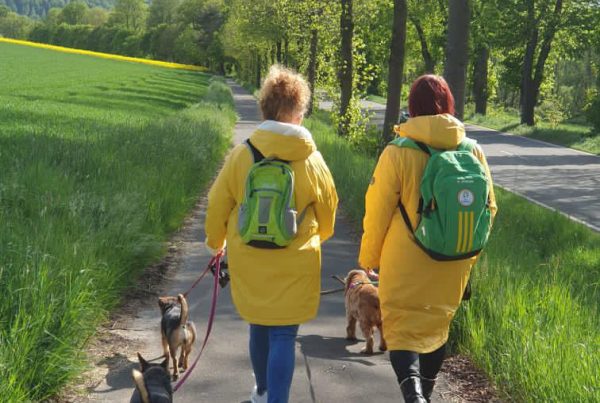
”If history changed through walking, why do we expect the fashion system to change through rushing?
🌍 Why real change has always started on foot
History wasn’t changed in boardrooms.
It wasn’t accelerated by fast fashion, fast lanes, or fast decisions.
It was changed step by step.
From revolutions to civil rights, from environmental protection to inner transformation — some of the most powerful shifts in human history began when people decided to walk.
Walking is slow.
Walking is visible.
Walking is human.
And that’s exactly why it works.
🚶♂️ Walking as an Act of Resistance
When Mahatma Gandhi began the Salt March in 1930, he didn’t carry weapons. He carried conviction — and walked 390 kilometers to the sea. That walk weakened an empire and showed the world that nonviolent resistance could be stronger than force.
Decades later, civil rights activists walked from Selma to Montgomery. Their feet crossed bridges where their rights had been denied. The images of those marches helped change US law — and global consciousness.
Walking made injustice visible.
✊ Walking as a Claim for Dignity
In 1789, women marched to Versailles demanding bread. They weren’t invited into politics — they walked their way in.
In 1936, unemployed workers in the UK walked from Jarrow to London, not to beg, but to demand dignity.
Walking says:
“We are here. You can’t ignore us.”
🌱 Walking for the Planet
In the 1970s, villagers in India walked into forests and hugged trees to stop logging. The Chipko Movement became one of the world’s first environmental protests — led largely by women.
More recently, millions have joined climate marches, walking together to remind leaders that the planet has limits — even if markets don’t.
Walking protects what cannot speak for itself.
🕊 Walking Toward Freedom
For enslaved people following the Underground Railroad, walking wasn’t symbolic. It was survival.
For Nelson Mandela, the “long walk to freedom” was a metaphor — but one rooted in years of physical, emotional, and moral endurance.
Walking is patience with purpose.
🧠 Walking as Inner Change
Pilgrimages like the Camino de Santiago have been walked for over a thousand years. People didn’t walk to arrive — they walked to transform.
The Buddha walked village to village, teaching moderation and compassion.
Walking slows the mind enough to hear the truth.
👗 So what does this have to do with fashion?
Everything.
Fashion today is built on speed:
-
fast trends
-
fast production
-
fast consumption
-
fast disposal
But fashion used to walk.
Clothes were:
-
repaired
-
passed on
-
worn with intention
-
connected to place, people, and time
Fast fashion disconnects us.
Walking reconnects us.
🔄 REthinking Fashion, Step by Step
Choosing to:
-
buy less
-
buy better
-
walk instead of rush
-
repair instead of replace
…is not passive.
It’s a modern form of resistance.
Just like those historic walks.
Every step you take instead of consuming is a vote for a different future.
🌍 The Walk Continues
The world doesn’t need faster change.
It needs deeper change.
And deep change has always started the same way:
One person.
One decision.
One step.